Mastering the Breath
Awakening 101 Resources
Introduction
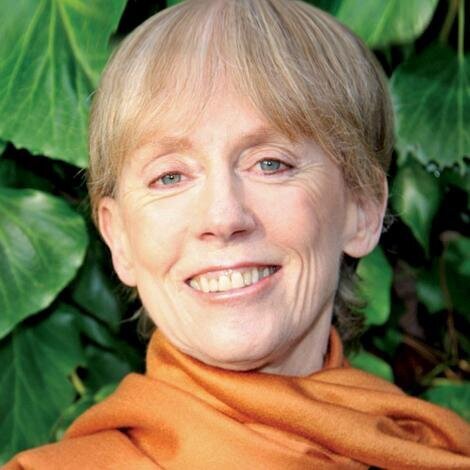
“Mastering the Breath,” is the fifth class in a five-part series on the Breath hosted by Abdi Assadi and Pernilla Burke.
I used to believe that transformation came through grand, earth shattering moments, those rare flashes of clarity when everything suddenly made sense. Over the years, I have come to see that real transformation happens in quieter ways. It lives in the spaces between thoughts, in the pauses, and in the stillness of the breath. The way we breathe is the way we live. When the breath is shallow and rushed, that same quality often shapes our days. When the breath is deep and intentional, we begin to anchor into presence. Breath is life. It is the first thing we do when we enter this world and the last thing we do when we leave it. And yet, in between, how often do we truly pay attention? We carry so much within us, grief, stress, tension, without realizing that the key to release and genuine healing is already there, in the exhale.
In this conversation, we explore the power of breath with a master of the craft. We reflect on the ancient wisdom behind breathing techniques, the often overlooked intelligence of exhalation, and how integrating breathwork into daily life can become one of the simplest and most profound shifts toward presence, peace, and connection.
Essential Breathing Techniques: Unlocking the Body’s Innate Intelligence
For years, I misunderstood breathwork. I thought it was simply something we did in yoga class, a way to control the body or relax the nervous system. But breath is so much more than that. It is a direct line to the subconscious. It holds the power to soften the tightness in our chest, release trauma held deep within the body, and guide us back home to ourselves. There are many techniques, but often the simplest ones carry the greatest power.
- Diaphragmatic breathing: Most of us breathe shallowly, high in the chest, triggering stress responses. Breathing deep into the belly tells the body, “You’re safe. You can let go.”
- Box breathing: Inhale, hold, exhale, hold. A practice of rhythm, of balance, of teaching the nervous system that steadiness is always available, even in the storm.
- Alternate nostril breathing: The practice of harmonizing the left and right sides of the brain, bringing clarity, focus, and a deep sense of calm.
Each breath pattern holds a key. A key to stillness, to energy, to release. It’s not about forcing anything: it’s about remembering how to breathe in a way that honors the body, rather than fighting against it.
The Power of Exhalation: Letting Go in Every Breath
The inhale is what we crave. We pull life into our lungs, gripping it as if we are afraid it might disappear. But the exhale is where the real shift happens. For a long time, I barely noticed my exhales. I thought they were simply what followed the inhale. Over time, I learned that how we exhale, how fully we let go, changes everything. When we hold onto the breath, we also hold onto tension, fear, and control. A constricted exhale reflects a life of gripping and resisting the natural flow of things. A full and spacious exhale reflects surrender. And surrender is freedom.
One of the most powerful shifts I made was learning to lengthen my exhales. Instead of clinging to life, I allowed myself to soften into it. I let the exhale become a signal to my body that it was safe to release. Breath is a mirror of life itself. We can inhale endlessly, taking in knowledge, experiences, and love, but if we do not learn to exhale and release, we remain weighed down by what has already passed. Exhale fully. Let go. Trust that there is always another breath waiting for you.
Integrating Breathwork into Daily Life: Making Presence a Habit
The beauty of breathwork is that it doesn’t require a retreat, a teacher, or a special moment. It’s something we can weave into the smallest pockets of our day.
- Morning reset: Before opening my phone, before stepping into the chaos of the world, I take five deep, slow breaths. It sets the tone for my entire day.
- Mindful moments: Every time I find myself rushing, I pause. One deep breath. Just one. And in that moment, I come back.
- Before sleep: A longer exhale than inhale. A reminder to the body that it’s safe, that rest is welcome.
Breath is always there, waiting. It asks nothing of us except to notice it. And when we do, when we give it our attention, it transforms everything.
This practice is not about perfection. It’s about presence. About returning to ourselves, again and again, through something as simple, as profound, as a single breath.
Conclusion
So much of life is spent chasing meaning, peace, or the next thing we believe will finally make us feel whole. But maybe what we have been looking for has been here all along. Maybe it is not something we need to find, but something we need to remember. Breath is the bridge. It connects the body to the mind, the mind to the soul, and the soul to the present moment. It is our teacher, our healer, and our constant companion.
I hope this conversation serves as an invitation. An invitation to breathe with more awareness, to exhale with more trust, and to bring this sacred practice into every corner of your life. Because in the end, transformation is not something outside of us. It is right here. In this breath. And the next one. And the one that follows.